
Views: 0 Author: Site Editor Publish Time: 2026-02-10 Origin: Site


Molybdenum wire is a key material used in Electrical Discharge Machining (EDM) due to its exceptional properties, including a high melting point, durability, and resistance to wear. These characteristics make it ideal for cutting tough materials like carbide, titanium, and high-speed steel, especially in precision applications where heat and stress resistance are critical. Molybdenum wire’s ability to maintain performance under high temperatures and resist deformation during the cutting process ensures high-quality, consistent results, even in the most demanding machining tasks. However, these properties come at a cost. The price of molybdenum wire is influenced by several factors, including raw material cost, manufacturing processes, market demand, and global supply conditions. Understanding these factors is essential for managing costs effectively while maintaining optimal performance in EDM operations.
Molybdenum is a rare element, and its extraction process is more complex than other materials used in EDM. Mining molybdenum involves high-energy processes that are both costly and time-consuming. The rarity of molybdenum and the costs associated with its mining and refining significantly influence its base price. When global demand for molybdenum increases, or when supply is restricted due to mining conditions, its price rises accordingly.
The refining and drawing of molybdenum wire are labor-intensive and require precise control over quality and consistency. The manufacturing process involves several stages, including drawing the wire to fine diameters, annealing, and quality control checks to ensure the wire meets the stringent requirements for EDM applications. These processes add to the overall production cost, which is reflected in the final price of the wire. Additionally, maintaining high-quality standards in manufacturing ensures the wire’s durability and performance, justifying its higher cost.
The size of the wire, both in terms of diameter and length, can significantly impact the price. Thicker wires require more material and are typically more expensive due to the larger quantity of molybdenum used. Longer lengths of wire also cost more because they require additional material and time for production. Specialized wire sizes, such as those used for high-precision machining, may also carry a premium due to their specialized applications.
The demand for molybdenum wire in high-precision industries such as aerospace, medical devices, and electronics manufacturing plays a significant role in determining its price. As industries with strict requirements for accuracy and material performance grow, the demand for high-quality molybdenum wire increases. This higher demand drives prices up, especially in applications where other wire materials (such as brass or copper) cannot provide the same level of durability, precision, and heat resistance.
The global supply of molybdenum is affected by various geopolitical factors, including mining availability, trade agreements, and economic conditions. Countries that are major producers of molybdenum, such as China and the United States, can influence the market price through supply chain disruptions, tariffs, and other trade policies. Geopolitical tensions or restrictions on mining operations can also lead to supply shortages, which in turn drive up prices. Fluctuations in the global market for molybdenum due to these factors can cause prices to vary significantly.
The manufacturing process for molybdenum wire involves several stages that require high precision to ensure the wire meets the rigorous demands of EDM applications. Drawing the wire to precise diameters, followed by annealing (heat treatment), is essential for achieving the desired strength, flexibility, and conductivity. The more precise the manufacturing process, the higher the production cost, as maintaining tight tolerances and high-quality standards demands advanced equipment and skilled labor. Additionally, consistent quality control throughout the production process ensures that each spool of wire meets the necessary performance standards, making it suitable for critical applications like aerospace or medical device manufacturing.
Higher precision and quality often come at a premium. For example, molybdenum wire used in high-precision machining or for thin cuts may require more stringent quality checks, longer processing times, and more specialized equipment. These factors increase the overall production costs, which are reflected in the final price.
Stringent quality control is vital in molybdenum wire production to ensure its performance and longevity during use in EDM machines. Molybdenum wire is subjected to intense heat and wear during machining, so its quality must be maintained throughout the manufacturing process to ensure it can withstand these demanding conditions. Quality control measures include:
Dimensional accuracy checks: Ensuring the wire diameter and length meet precise specifications.
Material consistency: Verifying the molybdenum’s alloy composition to ensure its performance in high-temperature and high-stress environments.
Strength and flexibility testing: Ensuring the wire can handle tension and bending without breaking, which is critical for maintaining cutting stability and precision.
Without proper quality control, the wire’s performance may degrade quickly, leading to frequent replacements and machine downtime. The higher the quality assurance standards, the more expensive the production process becomes, but it results in a longer-lasting, more reliable product. This is especially true in high-performance applications, where the reliability of the wire directly impacts operational efficiency and product quality.
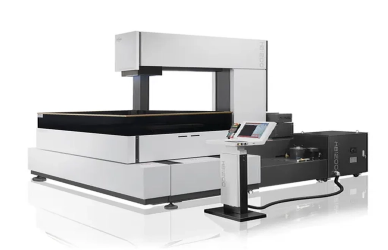
The price of molybdenum wire is closely tied to the fluctuations in the global molybdenum market. As molybdenum is a rare metal, its price can vary based on supply and demand dynamics in the market. Factors such as mining output, global trade conditions, and geopolitical influences can cause significant price shifts. For instance, if there are disruptions in mining operations in major molybdenum-producing countries, or if demand increases in other industries (like steel production, where molybdenum is a key alloying element), the cost of molybdenum wire can rise due to limited supply.
Additionally, the price of molybdenum wire can also be affected by the price of raw molybdenum, which fluctuates based on the cost of extraction and processing. When the raw material becomes more expensive to procure, the price of molybdenum wire will generally increase as well, affecting the final product price in EDM applications.
Molybdenum wire is in high demand in high-precision industries such as aerospace, medical device manufacturing, and electronics, where its heat resistance, durability, and precision are critical. When demand in these sectors increases, manufacturers face higher material costs, driving up the price of molybdenum wire.
As industries requiring tight tolerances, complex geometries, and high-performance components grow, the pressure on suppliers to meet these demands can lead to higher prices. For example, in aerospace, where parts are subject to extreme temperatures and stress, the demand for high-quality molybdenum wire increases, influencing its market price. Similarly, in the medical device sector, the need for high-precision components that can withstand rigorous conditions drives up the cost of molybdenum wire.
This demand from high-precision industries can not only lead to price increases but also to limited availability of the wire, especially if global supply chains are strained or if there is competition for high-quality materials.
Choosing the appropriate type and grade of molybdenum wire is key to balancing cost and performance:
Application Needs: Select wire based on the material to be cut and the required precision. For tough materials like carbide or titanium, opt for a higher-grade wire for durability.
Wire Diameter: Choose the smallest diameter that meets the cutting requirements to reduce cost. Larger diameters use more material, increasing the price.
Material Specifications: Choose higher-grade wires for heavy-duty tasks or standard grades for less demanding jobs to optimize costs.
Regular maintenance and optimal usage can extend wire life and reduce overall costs:
Machine Settings: Fine-tune pulse duration, discharge energy, and feed rate to minimize wire wear while maintaining efficiency.
Cooling System: Ensure the cooling system is working efficiently. Proper coolant flow and quality prevent overheating, reducing premature wear and cutting time.
Preventive Maintenance: Regularly inspect the wire feed system and clean components to prevent friction and wear, reducing downtime and wire replacements.
Wire Handling: Handle the wire carefully to avoid damage. Proper tensioning and gentle handling help prevent breakage and increase efficiency.
Molybdenum wire is more expensive due to its rarity, high melting point, and demand in precision applications like aerospace and medical devices.
Larger diameters of molybdenum wire require more material and precise manufacturing, which increases the cost compared to smaller diameters.
Yes, geopolitical factors, mining production, and market demand can lead to significant fluctuations in the price of molybdenum wire.
Strict quality control ensures that molybdenum wire performs consistently, especially in high-precision applications, adding to the production cost but improving longevity and reliability.
The price of EDM molybdenum wire is influenced by several key factors, including raw material costs, the manufacturing process, wire diameter and length, market demand, and global supply conditions. Molybdenum's rarity and the complex extraction and refining process significantly contribute to its higher cost. Additionally, the precision required in manufacturing and the importance of maintaining consistent quality further increase the price. The size of the wire and the demand from high-precision industries, such as aerospace and medical device manufacturing, also play a major role in determining its cost. To manage these costs effectively, it’s important to select the appropriate wire grade and diameter for the application, optimize machine settings to reduce wear, and maintain proper machine and wire handling practices. By understanding these factors and applying strategic choices in wire selection and usage, businesses can balance performance and cost, ensuring efficient and cost-effective EDM operations.
 HB400
HB400  HB600
HB600  HB800
HB800  LA350A
  LA500A
  LA800
LA800  EB450
EB450  EA500A
  EB650N
  DS703C
  SK450
SK450 


