
Views: 0 Author: Site Editor Publish Time: 2026-02-03 Origin: Site


Molybdenum wire plays a crucial role in Electrical Discharge Machining (EDM) due to its excellent durability, high melting point, and resistance to wear. It is commonly used for cutting tough materials and achieving high precision in industries like aerospace, automotive, and medical device manufacturing. Maximizing the lifespan of molybdenum wire is essential for maintaining consistent cutting efficiency and ensuring high-quality results. Longer wire life reduces the frequency of replacements, which can be costly and time-consuming. Additionally, extending the lifespan of molybdenum wire minimizes downtime, improves machine productivity, and reduces overall operational costs. Therefore, implementing strategies to optimize wire longevity not only enhances performance but also contributes to more cost-effective and efficient EDM operations.
Proper wire tension is essential for ensuring the wire moves smoothly through the workpiece during the EDM process. If the tension is too high, it can cause excessive stress on the wire, leading to premature wear and eventual breakage. On the other hand, if the tension is too low, the wire may deflect, leading to inaccurate cuts and unnecessary friction, which can also shorten its lifespan. Consistent and optimal tension helps maintain the wire's integrity, preventing wear and ensuring stable cutting performance.
The cutting parameters, including discharge energy, pulse frequency, and cutting speed, directly influence the rate of wire wear:
Discharge Energy: Higher discharge energy increases the heat generated during the cutting process, which can accelerate the wear of the molybdenum wire. Excessive energy can also lead to wire overheating and degradation.
Pulse Frequency: Higher pulse frequencies can improve cutting speed but can also result in more heat, further stressing the wire. Adjusting pulse frequency to match the material type and thickness is essential for optimizing wire lifespan.
Cutting Speed: Faster cutting speeds can increase the efficiency of the process but may also increase wear on the wire due to higher friction and heat. Slower speeds, while more precise, can reduce the cutting rate and impact overall productivity. Finding the right balance between speed and precision is key to prolonging wire life.
The hardness and thickness of the workpiece material significantly impact the wear rate of molybdenum wire. Cutting through harder materials like carbide or hardened steel requires more energy and puts greater strain on the wire, causing it to wear faster. Similarly, thicker materials require more cutting power and longer machining times, further increasing wire wear. Molybdenum wire's durability makes it well-suited for tough materials, but optimizing machine settings to minimize unnecessary strain can help extend its lifespan. Regular adjustments based on material properties ensure that the wire performs optimally while maintaining longevity.
The pulse duration and frequency are critical factors that influence the heat generated during the EDM process. By adjusting the pulse duration to shorter periods and optimizing pulse frequency, you can reduce the amount of heat applied to the molybdenum wire. Lower heat buildup minimizes the stress on the wire, preventing excessive wear and premature breakage. Finding the right balance between pulse duration and frequency helps optimize cutting speed while also protecting the wire, extending its lifespan.
Controlling discharge energy is essential for managing the amount of heat generated during the cutting process. Excessive discharge energy can cause the molybdenum wire to overheat, leading to faster wear and reduced wire life. By fine-tuning the energy settings to match the material being cut and the required precision, you can ensure that the wire is not exposed to unnecessary heat. Lower energy settings are often sufficient for softer materials, while higher energy levels may be required for tougher materials, but should be used carefully to prevent overheating.
The feed rate refers to the speed at which the wire moves through the material. While a faster feed rate increases cutting efficiency, it can also put additional strain on the molybdenum wire, causing it to wear more quickly. Conversely, a slower feed rate can reduce strain but may impact overall cutting speed. To extend wire life, it is important to balance the feed rate to optimize cutting performance while reducing wire strain. A well-adjusted feed rate ensures that the wire remains under appropriate stress, prolonging its useful life without sacrificing cutting efficiency.
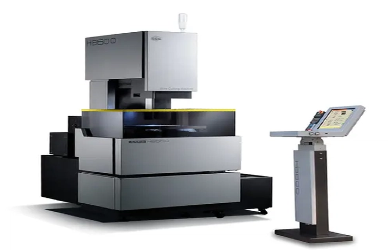
The coolant plays a vital role in maintaining optimal temperature during the EDM process. High-quality coolants with appropriate additives help to dissipate the heat generated by the electrical discharges, preventing overheating and wire degradation. The coolant should have good thermal conductivity and lubrication properties to ensure smooth wire movement and reduce wear. It's important to maintain a steady coolant flow rate to ensure consistent cooling and prevent localized overheating, which can cause the molybdenum wire to wear more quickly. Regular monitoring and adjusting of coolant flow are essential to keep the cutting process efficient and minimize wire stress.
Regular cleaning and lubricating of the wire and the EDM machine are essential to reduce friction and wear on the molybdenum wire. Debris and metal particles that accumulate on the wire during cutting can cause increased friction, leading to premature wear and cutting inefficiencies. Routine cleaning ensures that the wire is free from buildup, allowing it to move smoothly and cut effectively. Additionally, applying appropriate lubrication can further reduce friction between the wire and workpiece, extending the wire's lifespan and maintaining consistent cutting performance. Proper maintenance of the wire and machine components ensures higher cutting precision and efficiency over time.
Preventive maintenance of the EDM machine is crucial for ensuring that all components, including the wire feed system, cooling system, and discharge controls, are functioning properly. Regular machine checks and calibration can help identify potential issues before they lead to breakdowns or performance degradation. Keeping all systems running smoothly minimizes stress on the molybdenum wire and prevents unnecessary wear. Regular maintenance, such as cleaning the wire feed mechanism, checking the alignment, and ensuring proper discharge energy settings, helps extend the wire's operational life and improves overall EDM efficiency.
Real-time monitoring is crucial for optimizing the performance of molybdenum wire during the EDM process. By using sensors and advanced data analysis, operators can continuously track the wire's condition, including factors such as tension, temperature, and wear rates. This data allows for immediate adjustments to machine settings to maintain optimal performance. For instance, if the wire temperature increases beyond acceptable limits, the system can automatically adjust the discharge energy or coolant flow to prevent overheating and wire degradation. Real-time monitoring not only helps in minimizing downtime but also provides valuable insights for proactive maintenance, reducing wear and ensuring a longer operational life for the wire.
Different materials require different cutting conditions. Fine-tuning machine settings based on the material type being cut is essential for minimizing unnecessary wire wear. For example, cutting harder materials like carbide or titanium requires more power and higher discharge energy, which increases the strain on the molybdenum wire. In such cases, reducing cutting speed, adjusting pulse duration, or decreasing feed rate can help manage wire wear while still achieving high precision. Conversely, when working with softer materials, operators can optimize settings for faster cutting without putting excessive stress on the wire. Tailoring the settings to match the material's properties reduces unnecessary wear and maximizes the lifespan of the molybdenum wire.
Excessive or insufficient wire tension can lead to uneven wear or breakage, reducing the wire’s lifespan. Proper tension ensures consistent cutting and longer wire life.
Yes, slowing down the cutting speed can reduce stress on the wire, lowering wear and preventing premature breakage.
Harder materials, such as carbide or titanium, increase wire wear. Adjusting parameters like discharge energy can help manage the increased wear from tough materials.
Regular cleaning is essential to remove built-up debris and reduce friction. Cleaning the wire and the EDM machine after every significant operation can help extend the wire's lifespan.
Maximizing the lifespan of molybdenum wire in EDM is crucial for maintaining cutting efficiency and reducing operational costs. Key strategies include optimizing machine settings, such as adjusting pulse duration, discharge energy, and feed rate to reduce wire wear. Real-time monitoring of wire performance using sensors allows for immediate adjustments to prevent overheating and excessive wear. Regular cooling system maintenance and the use of high-quality coolants are essential for dissipating heat and preventing wire degradation. Routine wire cleaning and lubrication reduce friction, while preventive machine maintenance ensures that all systems are functioning efficiently, minimizing strain on the wire. By fine-tuning parameters based on the material being cut and regularly maintaining both the machine and the wire, these strategies significantly extend the molybdenum wire’s lifespan, resulting in more cost-effective EDM operations and fewer replacements.
 HB400
HB400  HB600
HB600  HB800
HB800  LA350A
  LA500A
  LA800
LA800  EB450
EB450  EA500A
  EB650N
  DS703C
  SK450
SK450 


