
Views: 0 Author: Site Editor Publish Time: 2026-02-02 Origin: Site


Molybdenum is a high-performance metal widely used in Electrical Discharge Machining (EDM) due to its exceptional properties. Known for its high melting point of around 3,200°C, molybdenum can withstand intense heat without degrading, making it ideal for cutting tough and heat-resistant materials. Additionally, molybdenum is durable and highly resistant to wear, which ensures it maintains its strength and shape during the cutting process, even under high-temperature conditions. These properties, however, also contribute to slower cutting speeds in EDM. The high melting point requires more energy to initiate and sustain the cutting process, while its density and hardness make material removal more challenging compared to softer materials. Despite this, molybdenum's durability and ability to handle high-precision cuts in demanding applications make it an essential material in industries such as aerospace, medical device manufacturing, and toolmaking.
Molybdenum has a very high melting point of around 3,200°C, which requires more heat to melt and cut through compared to other materials. In EDM, the cutting process involves high-frequency electrical discharges that generate intense heat to vaporize small portions of the material. Molybdenum’s high melting point means the machine must generate more energy to initiate and maintain the cutting process, leading to slower material removal rates.
Molybdenum is denser and harder than many other materials typically used in EDM. These properties make it more resistant to cutting, requiring additional energy to overcome the material’s strength. The hardness and density of molybdenum mean the wire must work harder to penetrate and remove material, thus slowing down the cutting speed when compared to softer metals like brass or copper.
Molybdenum wire experiences wear over time due to the high temperatures and stresses involved in the cutting process. While molybdenum’s durability helps it maintain performance longer than other wires, the wear it undergoes during continuous use can reduce cutting efficiency. Additionally, the wire’s ability to dissipate heat plays a critical role in its performance—inefficient heat dissipation can cause the wire to overheat, affecting the cutting process and slowing down the overall machining speed. The need for proper cooling and wire maintenance to prevent premature wear further complicates the cutting process.
The properties of the workpiece material directly impact the cutting efficiency in EDM:
Hardness: Harder materials, such as high-speed steel or carbide, are more difficult to cut. They require more energy to break down, which results in slower cutting speeds. The harder the material, the more energy is needed for the wire to effectively erode the material during the discharge process.
Thickness: Thicker workpieces demand more power and longer cutting times. As the thickness of the material increases, the wire must cut through a larger volume, leading to slower removal rates. This increases the overall cutting time, particularly when using molybdenum wire, which requires more energy for cutting dense, thick materials.
Molybdenum wire is known for its high tensile strength and resistance to wear, which contribute to its durability, but these properties also influence the cutting process:
Wire Strength and Cutting Resistance: Molybdenum’s strength makes it resistant to deformation, ensuring more stable and precise cuts. However, this resistance requires more energy to maintain the cutting process. The wire does not bend or deflect easily, which can slow the cutting speed as it requires higher electrical discharge energy to penetrate tough materials.
Cutting Time: The high strength of molybdenum wire, while beneficial for durability and precision, leads to increased cutting time. This is because more power is needed to overcome the material’s resistance. Additionally, the wire's strength requires more controlled discharge parameters to prevent overheating or breakage, further extending the cutting duration compared to softer wire materials.
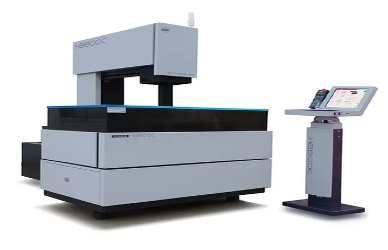
To enhance the cutting speed of molybdenum wire in EDM, several adjustments can be made to optimize the process, improving efficiency while maintaining precision. Here are key techniques:
Proper Coolant Selection: Use high-quality, water-based coolants with additives that improve heat dissipation and lubrication. This helps maintain a stable temperature during the cutting process, preventing the wire from overheating and reducing wear.
Coolant Flow Rate: Ensure an adequate coolant flow rate to keep the wire and workpiece cool, preventing thermal damage and maintaining the consistency of the cut. Higher flow rates help dissipate heat more effectively, leading to smoother cuts and faster processing times.
Pulse Duration and Frequency: Adjust the pulse duration and frequency to ensure efficient material removal without excessive heat buildup. For molybdenum wire, higher pulse energy is typically needed for tougher materials, but careful fine-tuning is required to avoid premature wire wear.
Voltage Control: Adjusting the voltage helps balance the amount of energy applied during the discharge process. Increasing the voltage can accelerate cutting but needs to be balanced to avoid overheating the wire and reducing its lifespan.
Energy Efficiency: Aim for an optimal balance between discharge energy and cutting speed. Too much energy can cause excessive heat and faster wear, while too little can slow down the cutting process.
Proper Tensioning: Adjust the wire tension to ensure it moves smoothly through the material without excessive slack or tightness. Proper tension reduces wire deflection, which can lead to inaccuracies and slower cutting speeds. It also ensures a consistent cutting path, improving both speed and precision.
Dynamic Tension Control: Implementing a dynamic wire tension control system can adapt to changes in cutting conditions, such as varying material thickness or hardness. This helps maintain optimal cutting conditions throughout the process.
Increase Feed Rate: In many cases, adjusting the feed rate to a faster setting can reduce overall cutting time, but care must be taken to avoid sacrificing precision. Experimenting with feed rate adjustments helps find the sweet spot between cutting efficiency and quality.
Optimize Cutting Speed: Use the highest possible cutting speed that still maintains the desired surface finish and dimensional accuracy. While molybdenum wire cuts slower than other materials, optimizing settings can improve efficiency without compromising quality.
By adjusting the coolant, discharge settings, wire tension, and feed rate, you can significantly improve the cutting efficiency of molybdenum wire in EDM processes. These optimizations help maintain a balance between cutting speed, wire durability, and precision, leading to better overall performance and reduced processing time.
Yes, molybdenum wire experiences wear over time, primarily due to its hardness. While its high tensile strength and durability make it suitable for cutting tough materials, it still requires more energy to cut through harder metals. This increased energy demand leads to faster wear compared to softer materials like brass. To mitigate this, the discharge parameters must be carefully adjusted, and the wire tension should be optimized to minimize premature wear and extend the wire’s lifespan.
Absolutely. Adjusting settings such as pulse duration, discharge energy, and feed rate can significantly optimize the EDM process. By fine-tuning these parameters, you can improve cutting efficiency, reduce unnecessary energy consumption, and enhance the overall speed of material removal. The key is to find the right balance that maximizes cutting speed without compromising precision or risking excessive wear on the wire.
Molybdenum has a high cutting time primarily because of its high melting point and density. These properties require more energy to overcome the material’s resistance to heat and deformation. Unlike softer materials, molybdenum does not easily break down under the electrical discharges used in EDM, making it slower to cut. The increased power needed to cut through molybdenum compared to other metals like brass or copper leads to longer cutting times.
The hardness and thickness of the workpiece material have a significant impact on the cutting speed when using molybdenum wire. Harder materials like high-speed steel or carbide require more energy to cut, which slows down the EDM process. Additionally, thicker workpieces demand more power to penetrate through the entire thickness, leading to slower material removal. The combination of these factors increases the cutting time when using molybdenum wire, especially in comparison to softer and thinner materials.
Molybdenum wire, while offering exceptional durability and precision, faces slower cutting speeds due to its high melting point, density, and hardness. These factors require more energy to initiate and sustain the cutting process, especially when dealing with tougher materials or thicker workpieces. Additionally, molybdenum wire experiences wear over time, which can further reduce cutting efficiency. To overcome these challenges, optimizing the EDM process is essential. This includes adjusting coolant flow rates for better heat dissipation, fine-tuning discharge settings such as pulse frequency and energy, and ensuring proper wire tension to prevent deflection. By carefully balancing these parameters, the cutting speed of molybdenum wire can be improved without compromising the high precision and durability required for demanding applications.
 HB400
HB400  HB600
HB600  HB800
HB800  LA350A
  LA500A
  LA800
LA800  EB450
EB450  EA500A
  EB650N
  DS703C
  SK450
SK450 


