
Views: 0 Author: Site Editor Publish Time: 2026-01-09 Origin: Site


Have you ever wondered why Electrical Discharge Machining (EDM) has surged in popularity? The rise of Die Sinking EDM has revolutionized modern manufacturing with its precision and efficiency.
In this article, we will explore how EDM evolved from a niche process to a mainstream solution. You’ll learn about the technological advancements that made Die Sinking EDM a preferred choice for industries demanding intricate designs and high-precision parts.
Initially, EDM was seen as a niche technology used primarily for specific industries like aerospace, automotive, and medical fields, where high-precision components were needed. It gained traction for its ability to create small, complex parts with high tolerances. However, over time, EDM has evolved, and its applications have expanded beyond its original scope.
Die Sinking EDM has contributed significantly to this evolution, with its ability to create molds, tools, and components that would be difficult or impossible to produce with traditional machining. The continued development of EDM has made it a mainstream tool for a wide range of industries.
Modern EDM machines have evolved significantly, thanks to advancements in technology. Innovations such as multi-axis systems, AI optimization, and hybrid machines have drastically improved the precision and efficiency of EDM.
AI and machine learning are now enabling EDM machines to optimize parameters in real time, improving both speed and accuracy. Multi-axis systems have expanded the range of complex shapes and geometries EDM can handle. Additionally, the integration of hybrid machines combining EDM with 3D printing or laser cutting enhances design flexibility, making EDM a more versatile tool.
Technology | Benefit |
AI Optimization | Real-time parameter adjustment for improved precision |
Multi-Axis Systems | Handles more complex shapes and geometries |
Hybrid Machines | Combines EDM with 3D printing or laser cutting for flexibility |
One of the main factors driving EDM’s popularity is the simplicity of modern systems. The user interfaces have become much more intuitive, enabling operators to easily set up and monitor the process. Additionally, the ability to operate EDM machines unattended has made them more efficient and cost-effective, especially for industries with high production demands.
Die Sinking EDM excels at creating parts with intricate geometries, undercuts, and internal features that are difficult to machine using traditional methods. This is especially important for industries that require highly detailed and accurate parts, such as aerospace and medical devices.
By using an electrical spark to erode material, EDM can remove material precisely without the need for direct contact with the tool. This allows for tighter tolerances and the creation of complex shapes with minimal material distortion.
Unlike traditional machining methods, EDM does not require the tool to physically touch the workpiece. This "no-contact" feature prevents material distortion and is ideal for delicate or thin-walled components that may be easily damaged through conventional methods. For industries working with heat-sensitive materials, Die Sinking EDM is especially valuable as it avoids the thermal effects that are common with traditional cutting processes.
One of the standout features of Die Sinking EDM is its ability to machine extremely hard materials, such as titanium, tungsten carbide, and hardened steel. These materials are often impossible to machine using traditional methods due to their hardness and the wear they cause on cutting tools. EDM, however, uses electrical discharges to erode the material, making it suitable for even the toughest metals.
Advantage | Benefit |
Unmatched Precision | Creates intricate shapes with tight tolerances |
No Contact, No Distortion | Prevents damage to delicate or heat-sensitive parts |
Versatility with Hard Metals | Machining of tough materials like titanium and tungsten carbide |
In industries such as aerospace and medical, precision is paramount. EDM, especially Die Sinking EDM, is widely used for manufacturing parts like turbine blades, medical implants, and surgical instruments. These parts often require tight tolerances and complex geometries, which EDM can provide with remarkable accuracy. Additionally, EDM's ability to work with hard metals makes it perfect for producing high-strength, durable parts needed in these industries.
EDM plays a critical role in the electronics industry, particularly for creating micro-components like connectors, switches, and other small, high-precision parts. As electronic devices continue to shrink in size, the need for micro-scale manufacturing has increased. EDM is capable of producing extremely small parts with great accuracy, meeting the demands of the rapidly advancing electronics sector.
Die Sinking EDM is an essential tool for mold and die makers, allowing them to produce complex molds with fine surface finishes. The precision and ability to create intricate features make EDM ideal for producing high-quality molds for industries like automotive, plastic molding, and injection molding.
Industry | Application |
Aerospace & Medical | Producing turbine blades, implants, and surgical instruments |
Electronics & Micro-Components | Creating small, precise components for devices |
Mold & Die Making | Making high-precision molds for automotive and plastics |
The combination of Die Sinking EDM with 3D printing and laser cutting technologies is expanding the potential applications of EDM. These hybrid systems enable manufacturers to combine the benefits of multiple processes, improving design flexibility and allowing for the creation of more complex parts that would be difficult or impossible to achieve with traditional manufacturing techniques.
AI optimization is revolutionizing EDM by enabling machines to automatically adjust parameters in real time. This increases the efficiency and precision of the machining process, reducing waste and improving throughput. AI also allows for predictive maintenance, ensuring machines run smoothly and reducing downtime.
Automation has become a key feature of modern EDM systems. With unattended operation, EDM machines can run for extended periods without human intervention. This reduces labor costs and increases the overall productivity of manufacturing operations. Automation also helps to minimize human error, improving the consistency and quality of the parts produced.
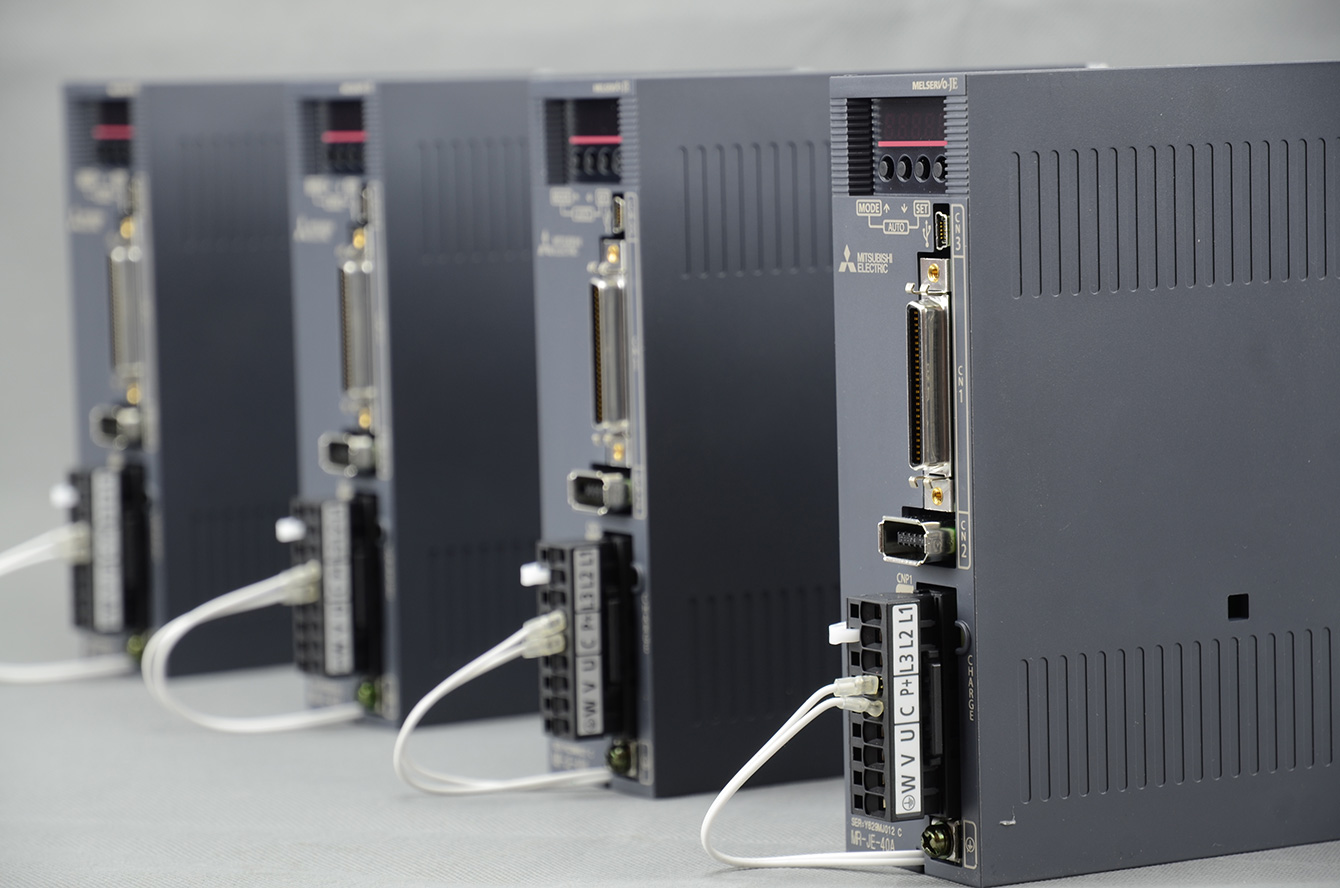
The speed and precision of modern EDM machines contribute to lower overall operating costs. With faster cutting speeds and fewer tool changes, EDM can process parts more efficiently. Furthermore, the ability to operate machines unattended means less reliance on skilled labor, reducing labor costs.
EDM's ability to rapidly produce highly detailed components has reduced production cycles for many industries. In sectors like aerospace and medical, where time-to-market is critical, EDM helps manufacturers meet tight deadlines by producing complex parts more quickly than traditional methods.
As the demand for sustainable manufacturing practices grows, EDM is evolving to meet environmental standards. New machines are more energy-efficient, and the development of eco-friendly dielectric fluids is helping to reduce the environmental impact of the process. These innovations make EDM an increasingly attractive option for companies looking to meet sustainability goals.
Economic Impact | Benefit |
Lower Operating Costs | Faster speeds, fewer tool changes, and unattended operation reduce costs |
Faster Production Cycles | Rapid production of detailed parts shortens lead times |
Energy Efficiency | More energy-efficient machines and eco-friendly fluids reduce environmental impact |
The future of EDM lies in the integration of smart technologies such as the Internet of Things (IoT) and Industry 4.0. These technologies will enable manufacturers to monitor and optimize EDM processes in real time, improving efficiency, reducing waste, and enhancing part quality.
As environmental regulations become stricter, the EDM industry will need to focus on developing more sustainable practices. Innovations in green machining fluids and energy-efficient machines will be key to meeting these challenges.
Emerging markets, particularly in Asia-Pacific, present significant opportunities for EDM growth. Countries like China, India, and Japan are expanding their manufacturing capabilities, and EDM will continue to play a crucial role in these developments, especially as demand for precision components increases.
The popularity of Electrical Discharge Machining (EDM), especially Die Sinking EDM, is driven by technological advancements that improve precision, efficiency, and cost-effectiveness. As industries require more complex and precise components, EDM remains a key manufacturing tool. With innovations in AI, automation, and hybrid systems, EDM's growth and relevance will continue. Suzhou Sanguang Science & Technology Co., Ltd. offers advanced EDM solutions that provide exceptional value, ensuring high-precision parts for various industries.
A: EDM is a manufacturing process that uses electrical discharges to remove material from conductive materials. Die Sinking EDM, a type of EDM, is known for creating intricate, precise shapes.
A: EDM's popularity is due to its ability to achieve high precision, efficiency, and cost-effectiveness, particularly with Die Sinking EDM which creates complex parts that traditional methods can't handle.
A: Die Sinking EDM uses a specially shaped electrode to create complex cavities in parts, ideal for molds and dies, while other EDM types, like wire EDM, are used for cutting and precision holes.
A: Die Sinking EDM offers unmatched precision, the ability to machine hard metals, and produces intricate shapes with minimal distortion, making it ideal for high-precision industries.
A: Yes, Die Sinking EDM reduces costs by eliminating the need for complex tooling and allowing for unattended operation, which improves productivity and reduces labor costs.
A: Industries like aerospace, medical, and electronics benefit from EDM, especially Die Sinking EDM, which is crucial for producing complex, high-precision parts.
 HB400
HB400  HB600
HB600  HB800
HB800  LA350A
  LA500A
  LA800
LA800  EB450
EB450  EA500A
  EB650N
  DS703C
  SK450
SK450 


